
Every nonprofit eventually enters a season where it must pause, reassess, and make difficult operational decisions.
For Heart for Africa (Canada), this is one of those seasons.
As the organization that supports the work happening at Project Canaan in the Kingdom of Eswatini, Africa, we are currently navigating an operational reset designed to strengthen the long-term sustainability of the mission. The goal is not simply to continue operating, but to ensure that the systems supporting the children in our care remain strong for decades to come.
This season has required honest reflection, careful financial discipline, and several difficult decisions about programs and operations. It has also reinforced some important lessons about what it truly takes to build a sustainable nonprofit organization.
For supporters who care about responsible leadership and long-term impact, these lessons matter.
The Changing Donor Environment in Canada
Across Canada, the nonprofit sector is navigating a shifting landscape.
Recent reports from CanadaHelps indicate that charitable giving has become more volatile in recent years, with many organizations experiencing fluctuations in donor participation and average gift size. Economic pressures, rising living costs, and increased competition among charitable organizations have all contributed to a more complex fundraising environment.
This does not mean generosity has disappeared. Canadians continue to be among the most charitable populations in the world.
But it does mean that nonprofits must operate with increasing financial discipline. Organizations that once relied on predictable donor growth now have to plan more carefully, diversify funding strategies, and ensure that their programs remain financially sustainable.
For charities working internationally, these pressures can be even more pronounced. Long-term initiatives such as children’s homes, education systems, and agricultural operations require stable funding structures and careful operational planning.
That reality is part of the context shaping the decisions Heart for Africa (Canada) is making today.
Why Nonprofit Sustainability Requires Difficult Decisions
At the center of Heart for Africa (Canada)’s work is Project Canaan, a children’s home that provides long-term care, education, healthcare, and stability for hundreds of children in Eswatini.
Caring for children well requires far more than housing and meals. It involves caregivers, teachers, healthcare services, infrastructure, and the systems needed to raise children into adulthood.
Because this work is long-term by nature, sustainability cannot be treated as a short-term goal. It must be built into the way the organization operates.
Over the past several years, Project Canaan has expanded multiple initiatives intended to support that sustainability vision. Agricultural projects, enterprise programs, and vocational initiatives were developed with the goal of generating income and strengthening the organization’s long-term financial resilience.
Some of those efforts have shown promise. Others have proven more difficult than originally expected.
Like many organizations working in complex environments, Heart for Africa (Canada) has had to confront an important reality: not every initiative becomes financially sustainable on the timeline we hope.
When that happens, responsible leadership requires difficult decisions.
The Reality of an Operational Reset
Over the past months, Heart for Africa (Canada) has made several significant operational adjustments at Project Canaan.
These decisions include pausing several programs that have continued to operate at a financial loss, including:
- The dairy program
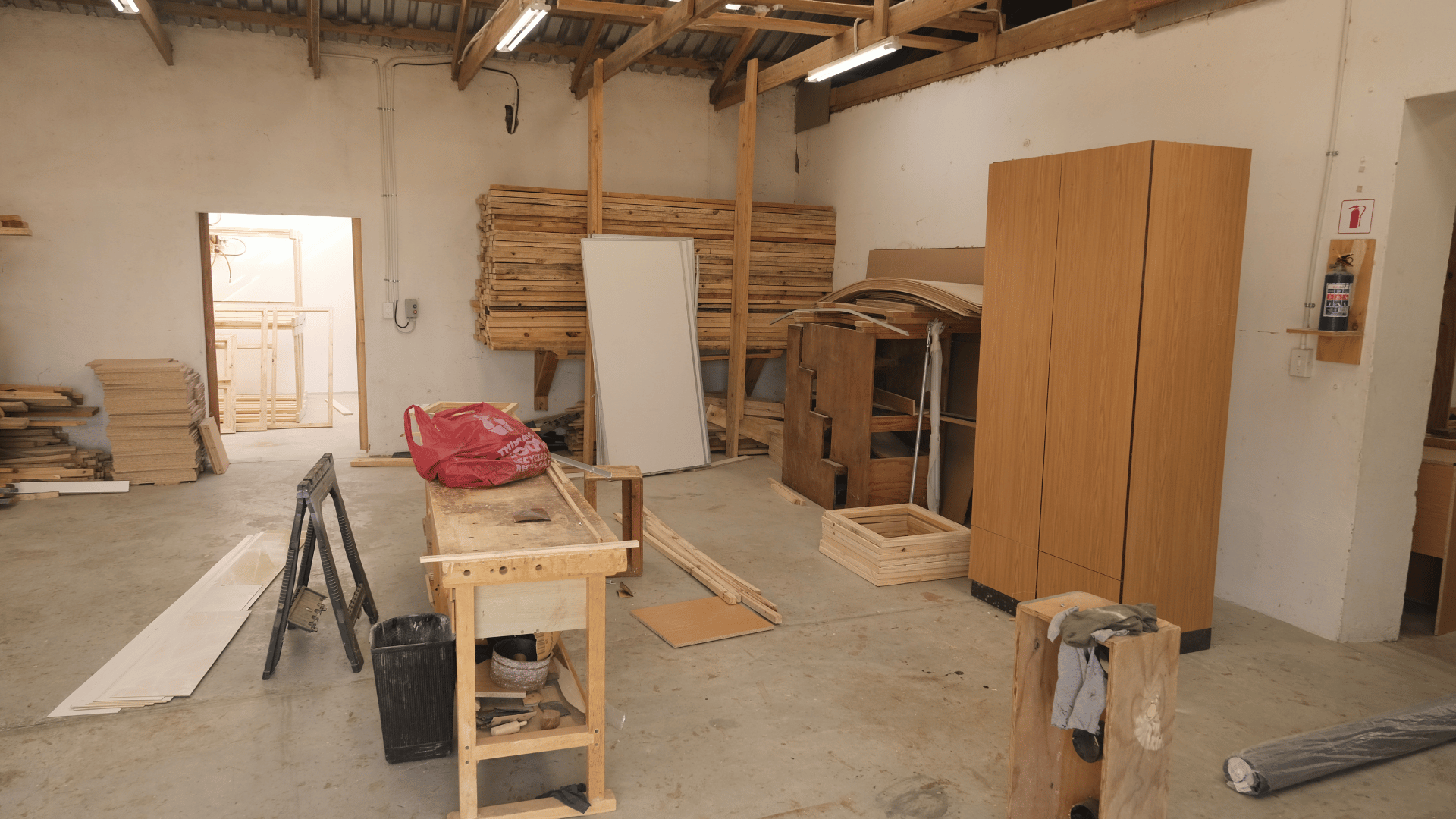
- The Kufundza carpentry shop
- Portions of the agricultural farm operations
These initiatives were originally designed to contribute toward the long-term sustainability of the organization. But maintaining them while they continued to generate losses would have required using donor funds in ways that did not align with responsible stewardship.
Pausing these programs creates space for strategic reassessment.
It allows leadership to evaluate what systems can realistically become sustainable, what partnerships might strengthen those systems, and how the organization can focus its resources where they matter most.
In addition, Heart for Africa (Canada) has made the difficult decision to temporarily pause the intake of additional babies until the organization is confident that the resources required to support them long-term are securely in place.
This decision has been one of the most emotionally challenging.
But long-term care requires long-term responsibility. Welcoming children into a children’s home means committing to raise them for many years. Ensuring that commitment can be honored responsibly must remain the priority.
Lesson One: Donor Funding Environments Change
One of the clearest lessons from this season is that nonprofit organizations must adapt when donor environments shift. Funding conditions that once supported growth can evolve. Economic pressures affect donors. Giving patterns change.
Organizations that want to remain healthy over the long term must be willing to respond to these shifts rather than ignoring them.
For Heart for Africa (Canada), that has meant reevaluating the pace of expansion and making adjustments that better reflect the current funding landscape.
Lesson Two: Growth Requires Operational Discipline
In many sectors, growth is often viewed as the primary indicator of success.
But in nonprofit work, especially in long-term child care, growth must be approached with caution. Every additional program, facility, or operational department introduces new costs and new layers of complexity.
If those systems are not financially sustainable, they can eventually place pressure on the core mission they were intended to support.
This season has reinforced the importance of operational discipline. Sometimes the most responsible decision is not to expand further, but to pause, simplify, and rebuild stronger systems.
Lesson Three: The Children Must Remain the Priority
Above all else, the current reset has clarified a central priority. The children in our care must come first.
Every operational decision, whether related to agriculture, enterprise programs, or expansion, ultimately exists to support the children living at Project Canaan.
Protecting the stability of that environment must guide every strategic choice. This is why the organization is focusing its resources carefully and ensuring that long-term care remains financially sustainable.
Responsible leadership sometimes means making decisions that are difficult in the short term in order to protect the future.
Why Transparency Matters
Seasons like this are not unique to Heart for Africa (Canada). Across the nonprofit sector, organizations regularly face moments where strategy must evolve and operations must adjust.
What matters most is how those moments are handled.
Transparency builds trust. It allows supporters to understand the realities of running complex programs and to see how leadership responds when circumstances change.
For Heart for Africa (Canada), sharing this season openly reflects a belief that responsible stewardship and honest communication strengthen the mission rather than weaken it.
Supporters deserve to understand not only what is working, but also what the organization is learning along the way.
Looking Ahead
Operational resets are rarely easy, but they can be valuable turning points. They provide an opportunity to refine strategy, strengthen financial discipline, and ensure that long-term systems are built on stable foundations.
For Heart for Africa (Canada), this season is about ensuring that Project Canaan continues to provide stable, long-term care for the children who call it home.
The work is ongoing. The learning continues. And the commitment to the children remains unchanged.
Learn More About Heart for Africa
If you would like to learn more about the mission behind Project Canaan and the long-term work Heart for Africa (Canada) is doing in Eswatini, we invite you to explore our story.
Learn more about Heart for Africa (Canada) here: https://heartforafrica.org/who-we-are/