
Is dairy farming a sustainable solution in Africa?
This is a question that comes up more often than you might think in conversations about food systems, nutrition, and nonprofit sustainability. On the surface, the logic is compelling. Dairy can provide consistent protein, support local agriculture, and generate income when production exceeds demand.
At Project Canaan, Heart for Africa (Canada) spent more than a decade putting that idea into practice.
The result was not a simple success or failure story. It was something more valuable. It was a real-world case study in what it actually takes to build and sustain a dairy operation in Africa, and what happens when the economics, scale, and mission do not fully align.
From that experience, three key lessons stand out:
- Producing milk is not the same as running a viable dairy
- Scale changes the entire complexity of an operation
- Mission alignment must be matched by financial reality
Why Dairy Farming Was Part of the Sustainability Vision at Project Canaan
Project Canaan was established as a long-term children’s community designed to provide stable care, education, and opportunity for the children in our care.
Within that context, nutrition has always been a central priority. Young children require consistent access to protein and nutrient-rich food in order to grow and develop well, and milk quickly became an important part of meeting those needs, particularly for babies and toddlers.
In 2013, Heart for Africa (Canada) launched a dairy program with a small herd of cows, with the intention of creating a reliable, on-site source of milk. Over time, this initial objective expanded as the dairy became part of a broader agricultural system that included crops, poultry, and other food production efforts. These systems were designed to work together to strengthen food security, reduce reliance on external purchasing, and contribute to long-term sustainability.
From the beginning, the dairy was not viewed as a standalone project. It was part of a larger effort to build a community capable of supporting itself over time while continuing to provide high-quality care for the children living at Project Canaan.
From Six Cows to Scale: How the Dairy Operation Grew in Eswatini
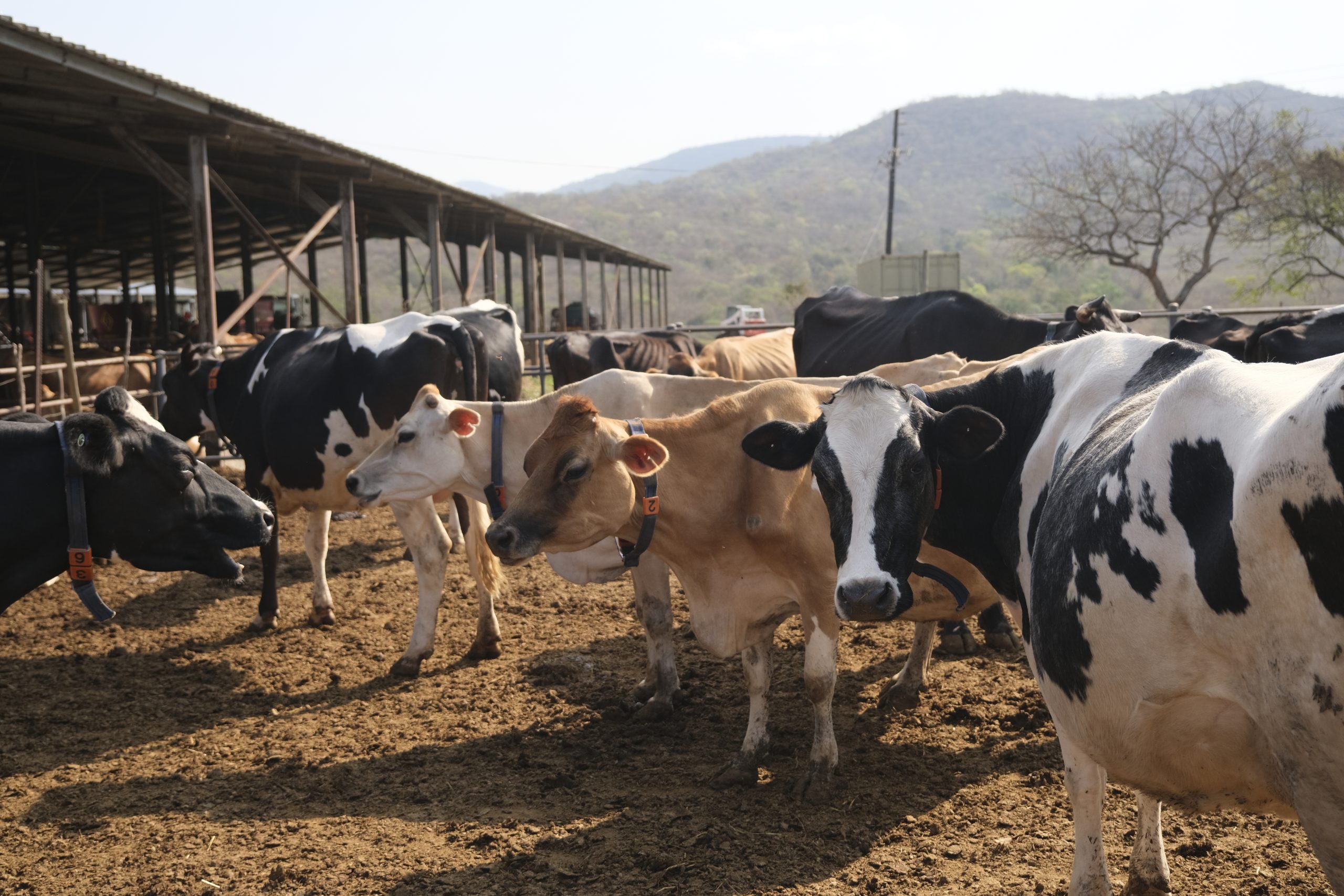
What began with a small number of cows gradually developed into a much larger operation as the needs of the community grew and the organization pursued greater self-sufficiency.
Over the years, the herd expanded significantly, and the dairy began producing enough milk to meet the needs of the children in our care. It also supported the production of yogurt, cheese, and other dairy products used within the community, which helped strengthen both nutrition and internal food systems.
At its peak, the dairy was not only contributing to daily life at Project Canaan but was also positioned as part of a broader sustainability strategy. Plans were being developed to expand processing capacity, including the production of mozzarella for local markets, with the goal of creating additional income streams and reducing reliance on imported products.
From an external perspective, the dairy appeared to be progressing as intended. Internally, however, the realities of operating and sustaining such a system were becoming increasingly clear.
Lesson 1: Why Producing Milk Is Not the Same as Running a Profitable Dairy
One of the most important lessons from this experience is that producing milk is only one component of running a successful dairy operation.
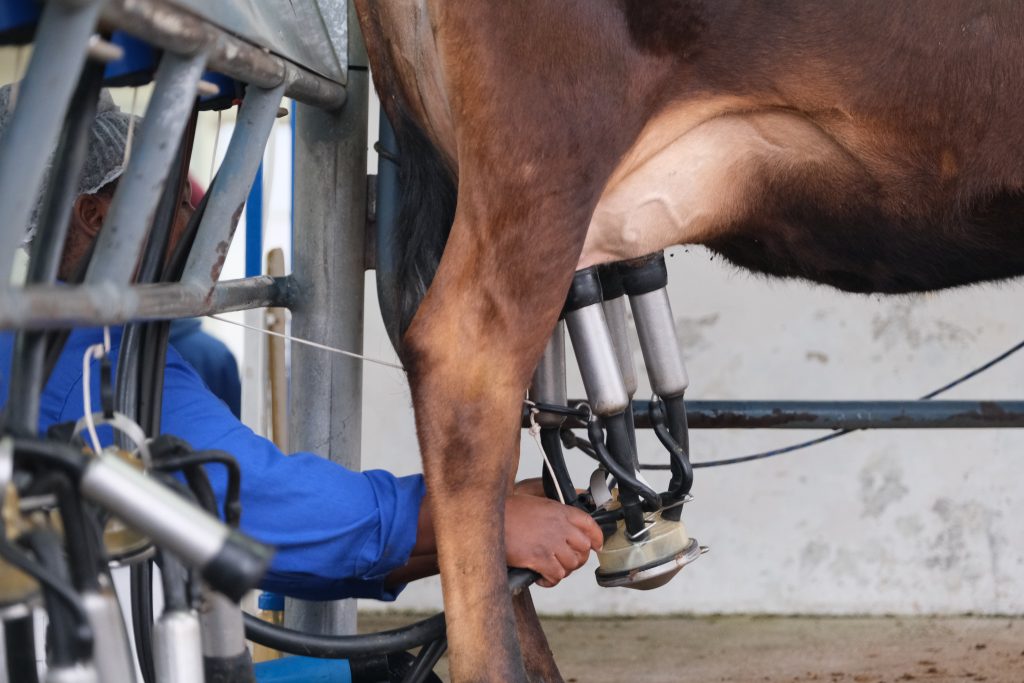
A viable dairy requires a complex system of interconnected elements, including feed production, veterinary care, reliable equipment, trained staff, consistent electricity, water access, storage, and distribution. Each of these components introduces both cost and operational complexity, and the success of the dairy depends on how well these elements function together.
At Project Canaan, the dairy was able to produce milk consistently, which was a meaningful achievement and directly supported the daily nutrition of the children. However, financial sustainability proved to be far more difficult to achieve.
It took many years for the operation to approach break-even, and even at that point, margins remained limited. The cumulative cost of maintaining infrastructure, managing herd health, securing feed, and operating essential systems created ongoing financial pressure.
This distinction is critical. An operation can function effectively from a production standpoint while still struggling to achieve financial viability. In agriculture, particularly in environments where infrastructure and inputs can be unpredictable, these two outcomes do not always align.
Lesson 2: How Scaling a Dairy Operation Increases Complexity
As the dairy grew, another important lesson became clear. Increasing scale does not simply expand an operation; it fundamentally changes how it functions.
At a smaller scale, a dairy can operate primarily as a support system, producing milk for internal use within a relatively contained environment. As the herd grows and production increases, new requirements emerge that extend far beyond basic milk production.
Larger operations require more feed, more labour, and more advanced equipment. They also require processing capacity if milk is to be converted into products such as cheese or yogurt at volume. In addition, storage, refrigeration, and distribution systems become increasingly important, particularly when surplus production is intended for sale.
At Project Canaan, the move toward value-added production, including mozzarella, introduced additional layers of complexity. Success at that level depended not only on producing sufficient milk but also on maintaining consistent quality, investing in processing infrastructure, and developing reliable market relationships.
Scaling the dairy created new opportunities, but it also introduced new risks and operational demands. It became clear that growth was not simply a matter of increasing output, but of managing a more complex and interconnected system.
Lesson 3: When Sustainable Agriculture and Financial Reality Do Not Align
From a mission perspective, the dairy was strongly aligned with the goals of Project Canaan. It supported nutrition, contributed to food production, and fit within the broader vision of building sustainable systems within the community.
However, mission alignment on its own is not enough to sustain an operation over time.
Despite years of investment and gradual progress toward financial stability, the dairy continued to require resources beyond what it was able to generate consistently. While it was nearing break-even for the first time after more than a decade of development, it had not yet reached a point where it could operate sustainably without ongoing support.
An unexpected event brought this reality into sharper focus. A lightning strike damaged newly installed milking equipment, disrupting operations and requiring significant repair. While this event did not create the underlying financial challenges, it highlighted how narrow the margin for sustainability remained.
In response, Heart for Africa (Canada) made the decision to pause the dairy, begin the process of selling the herd, and source milk externally at a lower cost while reassessing the long-term strategy.
This decision reflects a broader principle of responsible leadership. Even when a project aligns with the mission, it must also be evaluated based on its ability to operate sustainably. When those conditions are not met, reassessment becomes necessary.
What This Experience Taught Us About Sustainable Development in Africa
The experience of building and operating a dairy at Project Canaan reinforced a broader understanding of what sustainability requires in practice.
Sustainability is not defined by the number of internal systems an organization operates. Instead, it is shaped by the ability to make disciplined decisions about where to invest, where to build, and where to rely on external partnerships.
In some cases, producing food internally is the most effective approach. In others, sourcing from local suppliers may offer a more stable and cost-effective solution. The key is to evaluate each decision within the context of long-term impact and resource stewardship.
The dairy played a meaningful role in this process. It supported the nutritional needs of the children, contributed to the development of internal systems, and provided valuable insight into the realities of agricultural operations in Eswatini.
Those lessons will continue to inform how Heart for Africa (Canada) approaches sustainability at Project Canaan in the years ahead.
What the Future of Sustainability Looks Like at Project Canaan
The story of the dairy at Project Canaan is best understood not as a single outcome, but as a period of learning that has shaped future decisions.
Over more than a decade, the dairy contributed to daily life within the community while deepening the organization’s understanding of agricultural systems, cost structures, and operational complexity.
At Project Canaan, the commitment remains focused on providing long-term care for the children in our care and building systems that support that care responsibly.
As the work continues to evolve, those decisions will continue to be guided by experience, careful evaluation, and a long-term perspective on sustainability.
If you are interested in learning more about how Heart for Africa (Canada) is building long-term sustainability at Project Canaan, we invite you to explore more about Project Canaan and our approach to long-term sustainability by clicking below.
These lessons are part of an ongoing journey, and we are committed to sharing what we are learning along the way.