
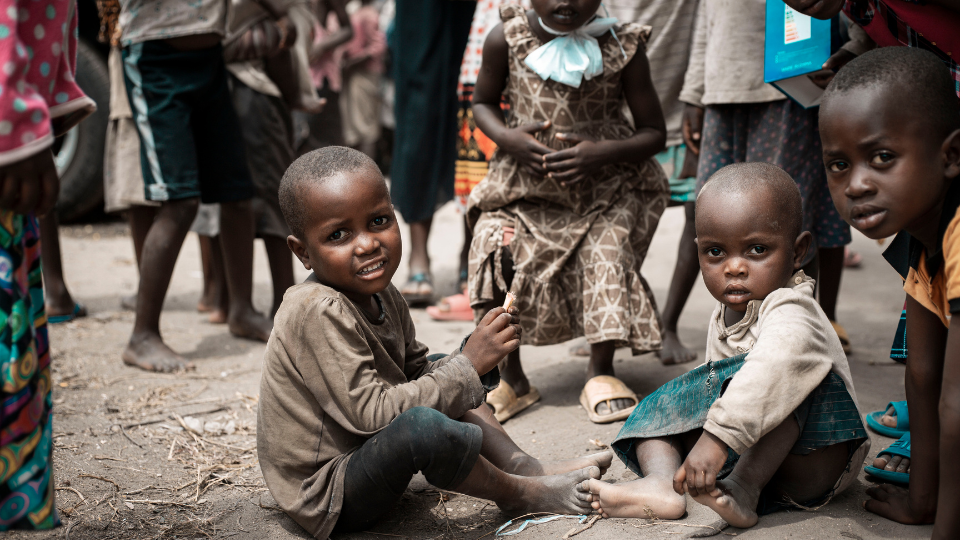
There are over 140 million orphaned children in the world today, with more than 52 million living in sub-Saharan Africa. In the Kingdom of Eswatini, where we work, nearly one in four children has lost one or both parents, the direct result of decades of HIV and AIDS dismantling a generation of families.
For every one of those children, the question is: who will commit to them? Who will be there not just for a season, or a program cycle, but for the long term, with everything a child needs to grow into a whole, capable, deeply loved person?
That’s the question we’ve been answering at Heart for Africa (Canada) through our initiative in Eswatini, Africa, Project Canaan, since 2009. And it is the question that has shaped every decision we’ve made since.
The Scale of the Need
Eswatini is a small country, but the scale of vulnerability among its children is significant. The country carries the highest HIV prevalence rate in the world, and the epidemic has left behind a generation of children without the family structures that would otherwise have caught them.
The Eswatini social welfare system works to place the most vulnerable children, those for whom no family option exists, into registered care. Every child who comes to Project Canaan arrives through that system, under a formal court order, before the age of two. These are children for whom every other option has already been exhausted. When they arrive at Project Canaan, we are their family.
Why Commitment Has to Come First
When we think about what genuinely effective care for orphaned and vulnerable children requires, we always come back to the same starting point: commitment. Real, sustained, unconditional commitment to each child as an individual.
The global conversation around child welfare has increasingly recognized what practitioners have known for a long time: children thrive when they have consistent, caring relationships with adults who know them, stable environments that don’t change without warning, and a community that invests in their development as whole people, not just their immediate needs. A child can be fed, housed, and educated, and still not be thriving, if the people around them are transient, the environment is institutional, and no one is truly invested in who that specific child is becoming.
That understanding is what Project Canaan was built around. Every design decision, every program, every element of daily life here flows from a single conviction: these children deserve adults who are genuinely committed to them, an environment that feels like home rather than a facility, and a community that sees them as individuals with their own identities, gifts, and futures.
The Model We’ve Built
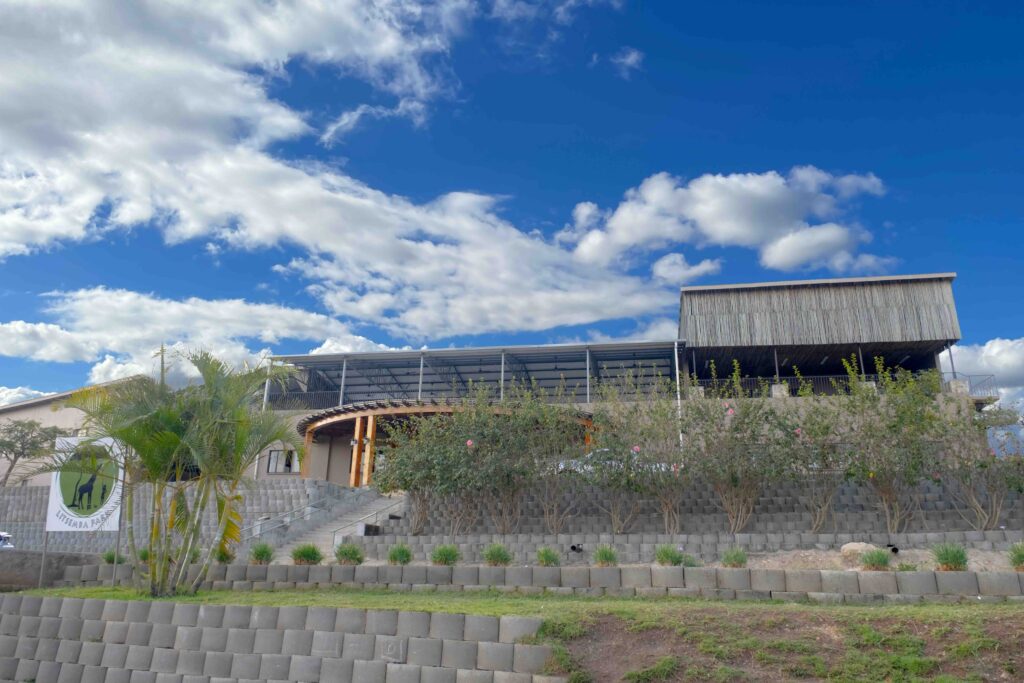
Project Canaan isn’t one program or one initiative — it’s an entire ecosystem of care, designed so that every part reinforces the others. Each element exists because we asked what a child actually needs to grow up whole, and then built it.
Our commitment to each child begins the day they arrive, and it doesn’t end when they turn eighteen. Children come to us before age two and are part of the Project Canaan family all the way through our Bridge Program, which will support our young adults as they transition into employment, further education, or a vocational trade. The full arc of childhood and early adulthood happens here, with support at every stage.
This isn’t a place to get children through to a milestone and then release them. It is a home, and the commitment we make is as close to a family commitment as an organization can make.
What makes that commitment meaningful in practice is how deeply the different parts of our model are connected to each other. A child’s relationship with their caregivers (the aunties and uncles) who know them, who understand their personality and what makes them unique, is the foundation that makes everything else possible. When a child feels genuinely known by the adults in their daily life, their capacity to learn, to take risks, to develop a sense of their own identity, opens up in ways it simply can’t when that foundation isn’t there.
That relational foundation is why we invest so deliberately in every dimension of a child’s development as an interconnected whole. Education through Project Canaan Academy matters more when a child arrives ready to learn. Nutrition matters more when a child is emotionally stable. Spiritual life, individual interests, values, and character all develop together, reinforcing each other, in a community designed to hold all of it at once.
We’re also intentional about what we build into the rhythm of daily life. The sports programs and creative activities that let a child discover what they love, the town trips that teach them how money works and what it means to make a considered choice, the chores that teach responsibility and ownership, the church and small groups that give them foundation of faith and a sense of something larger than themselves. These aren’t extras. They are how identity gets built, one ordinary day at a time.
And they accumulate. A child who has known the same caregivers for years, who has celebrated every birthday with their home group, who has been told their story with honesty and care at age twelve, that child grows up with a depth of self-knowledge that most people spend a lifetime trying to find. That is what the model is designed to produce. Not just children who were cared for, but young adults who know who they are.
Why Canadian Support Matters
The children at Project Canaan are growing up in Eswatini, but they are being raised with the support of people across Canada who have decided that these children are worth committing to.
That is what Canadian support actually means here. It’s a vote of confidence in a model that believes every orphan and vulnerable child deserves more than basic care. It is a decision to be part of something that is going to take years to fully see, because the most meaningful outcomes of raising a child well don’t arrive quickly. They arrive when a young adult steps into the world knowing who they are, with values to lean on and a community behind them.
If you are a Canadian looking for an organization caring for orphans and vulnerable children in Africa that you can trust and follow over the long term, we would love to share more about the work at Project Canaan. You can read about how the funding model works and what your support covers here.
And if you are a foundation or major donor interested in learning more about Project Canaan, the model we are building, and what a longer-term partnership with Heart for Africa (Canada) could look like, we would love to hear from you. Please reach out to our Development Manager, Jocie directly at: Jocie@heartforafrica.org
This month, we are running our annual summer campaign. Instead of diapers, this year we’re asking for support for everything else, the daily, unglamorous, essential cost of raising 460 children well and keeping the commitment we have made to each one of them.
If you would like to be part of that, we would love to have you with us by clicking below.
→ Give to the More Than Diapers campaign
To stay connected with updates from Project Canaan and Heart for Africa Canada, subscribe to our newsletter below.