

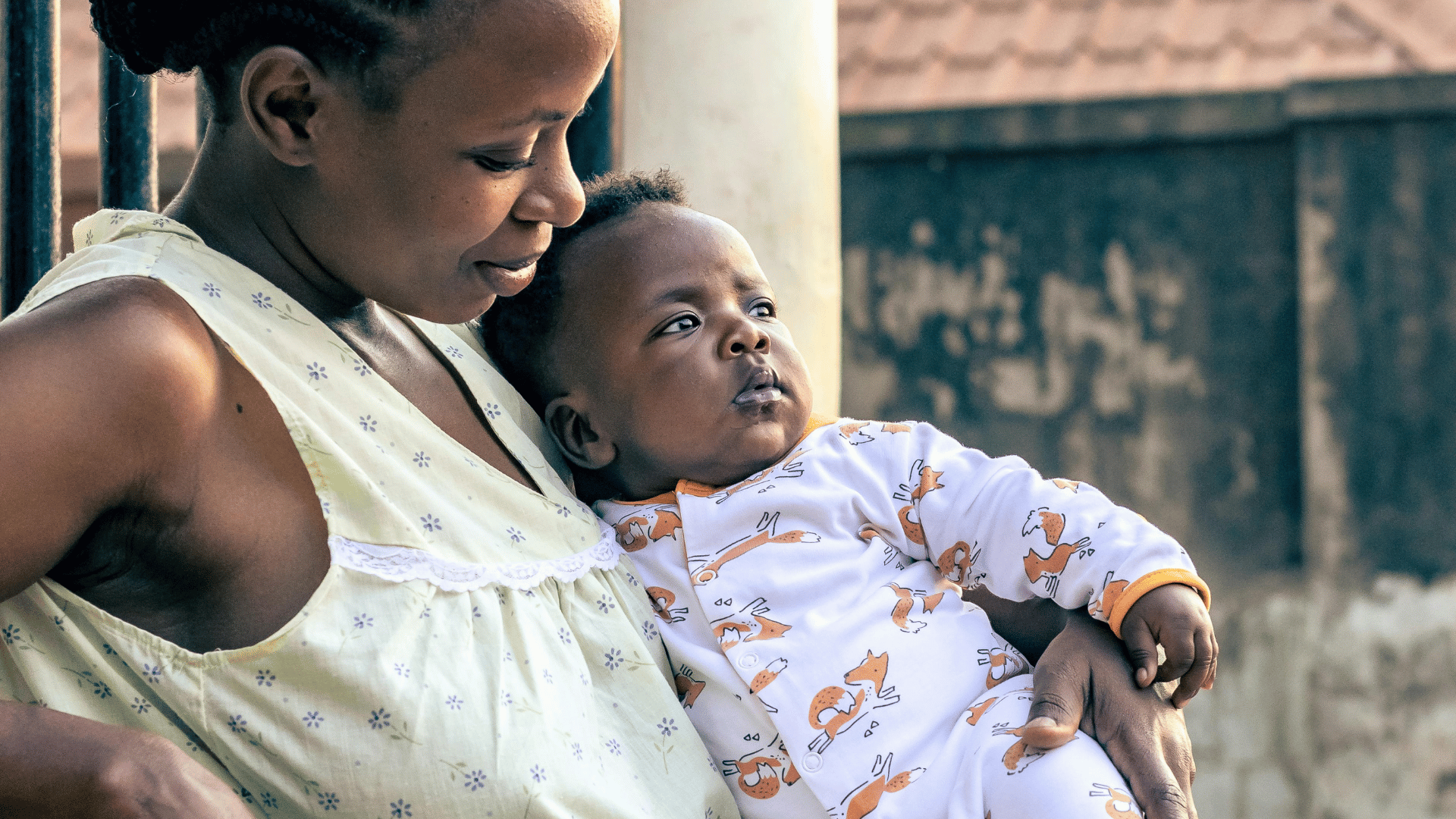
The question behind child sponsorship
For many people, the first exposure to organizations working with vulnerable children comes through child sponsorship. A monthly number is often presented (i.e. $30, $100, $500+ per month) and the assumption is simple: that is what it costs to care for a child.
But the reality is more complex. A more accurate question is not just how much does it cost, but:
What does it actually take to care for a child well, over the long term?
Because once care is understood as a long-term commitment, not a short-term intervention, the economics begin to look very different.
Cost depends on the model of care
Not all child-focused programs operate the same way, and that matters when discussing cost.
Some models focus on short-term support, community-based interventions, or partial assistance to families. Others, like children’s homes, provide full-time, long-term care for children who cannot remain in their original living situations.
Long-term residential care carries a different responsibility.
It means providing not just occasional support, but daily life:
- A stable home environment
- Consistent caregivers
- Education over many years
- Ongoing healthcare
- Food, clothing, and emotional support
And most importantly, it means committing to that care from early childhood through adolescence and into early adulthood. That kind of consistency has real financial implications.
What does it cost to raise a child in Canada?
To understand the economics of long-term care, it helps to start closer to home.
In Canada, estimates suggest that raising a child can cost $15,000 to $20,000 or more per year, depending on location and lifestyle. When additional needs are involved, those costs can increase significantly.
Within the foster care system, the cost is often higher.
Depending on the province and level of care required, the annual cost of supporting a child in foster care can range from approximately $15,000 to $60,000 or more per year, particularly when specialized services, staffing, and support systems are required.
These figures highlight an important reality:
Providing stable, long-term care for children anywhere in the world is resource-intensive.
The question is not whether these costs exist, but how they are structured, managed, and sustained.
What drives the cost of long-term care
Whether in Canada or Africa, the core cost drivers of child care are remarkably consistent.
Housing and environment: Children need safe, stable places to live. In a children’s home setting (like an orphanage or foster care living space), this includes building and maintaining homes, utilities, and shared spaces that support daily life.
Food and nutrition: Providing consistent, nutritious meals every day is a significant and ongoing cost. As children grow, nutritional needs increase, particularly during adolescence.
Caregivers: Children require consistent adult support. This means staffing homes with trained caregivers who provide daily care, supervision, and relational stability.
Education: Long-term care includes access to schooling, educational materials, and teachers. As children grow older, education becomes more specialized and more costly.
Healthcare: Routine medical care, preventative services, and unexpected health needs all contribute to overall cost.
Infrastructure and operations: Water systems, electricity, transportation, and operational staff are all part of maintaining a functioning environment for hundreds of children.
Individually, these categories are manageable. Together, they form a complex system that must operate consistently, every day.
A real-world example: Project Canaan
At Project Canaan in Eswatini, this system is lived out in practice.
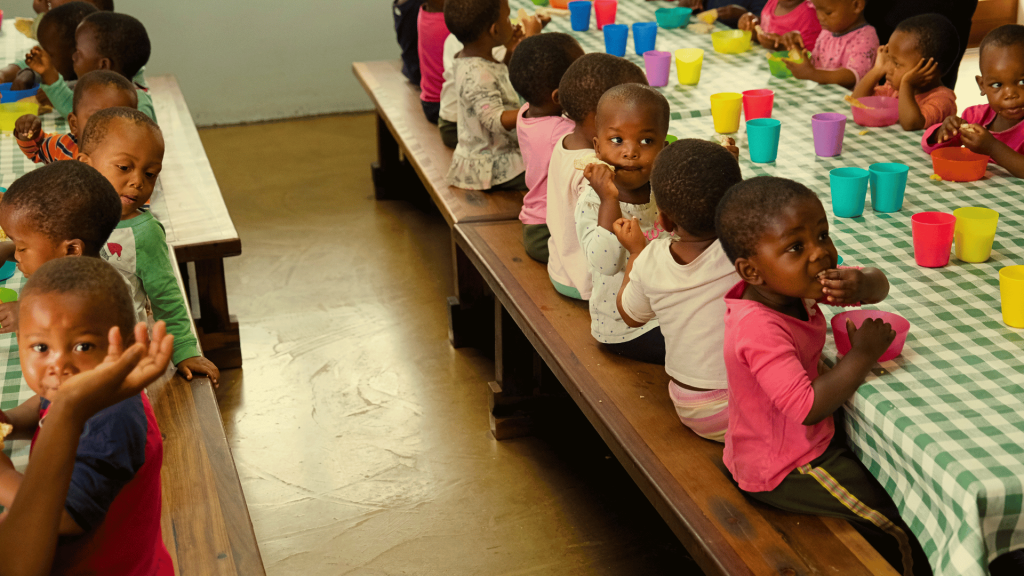
Today, Canadian nonprofit humanitarian organization, Heart for Africa (Canada), cares for 460 children full time through Project Canaan, each living within the children’s home, supported by caregivers, education systems, and community infrastructure .
Over time, the nature of that care evolves.
The oldest children are now entering their teenage years. This brings new dimensions to cost:
- Increased food consumption
- More advanced education needs
- Greater healthcare complexity
- Expanded staffing requirements
As the number of children grows, the system grows with it. Food demand increases daily. More caregivers are needed to maintain healthy ratios. Infrastructure must expand to support both population size and age progression.
Importantly, these costs do not increase in a simple, linear way. They compound.
Accepting more children into the home does not just add incremental cost – it increases the complexity of the entire system that supports them.
The role of Canadian sponsorship
For Canadian supporters, child sponsorship is often the entry point into this work.
At Heart for Africa (Canada), full sponsorship for the children living at Project Canaan in Eswatini, Africa is $360 CAD per month.
It is important to understand what that number represents.
Sponsorship does not function as a direct, one-to-one payment covering every expense for a single child. Instead, it contributes to the shared system that makes long-term care possible:
- Homes and caregivers
- Food and nutrition systems
- Healthcare and daily support
- Activities and more
In that sense, sponsorship is part of a collective model. It helps sustain the environment in which all children are cared for over time.
Why cost is often misunderstood
Many public conversations about child care, particularly in international contexts, focus on simplified monthly figures. While helpful for accessibility, those numbers can unintentionally obscure the full picture.
Long-term care is not a one-time cost. It is a sustained, multi-year commitment that requires consistency, infrastructure, adaptability as children grow and financial discipline.
This is also why responsible organizations must regularly evaluate their operations, make adjustments, and prioritize sustainability. Understanding cost in this way does not make the work less accessible. It makes it more accurate.
The question, “What does it cost to care for a child in Africa?” is a valid one.
But the more complete version of that question is:
What does it take to care for a child well, every day, over the course of many years?
When viewed through that lens, the answer becomes clearer.
It takes systems. It takes people. It takes long-term commitment. And it requires resources that reflect the full reality of raising a child, not just for a moment, but for a lifetime trajectory.
Learn more
If you would like to learn more about how long-term care is being developed and sustained at Project Canaan, we invite you to explore the work of Heart for Africa (Canada) by clicking the link below.
Understanding the model is an important first step in understanding the impact.