

When people hear the phrase sustainable nonprofits, it often sounds straightforward. The assumption is that an organization simply needs to create programs that fund themselves, reduce reliance on donations, and operate independently over time.
In practice, building a sustainable nonprofit is far more complex.
Organizations working in long-term development must balance mission, operational realities, financial responsibility, and the unpredictable conditions that affect real communities. Sustainability requires patience, disciplined leadership, and the willingness to adjust when strategies do not unfold exactly as planned.
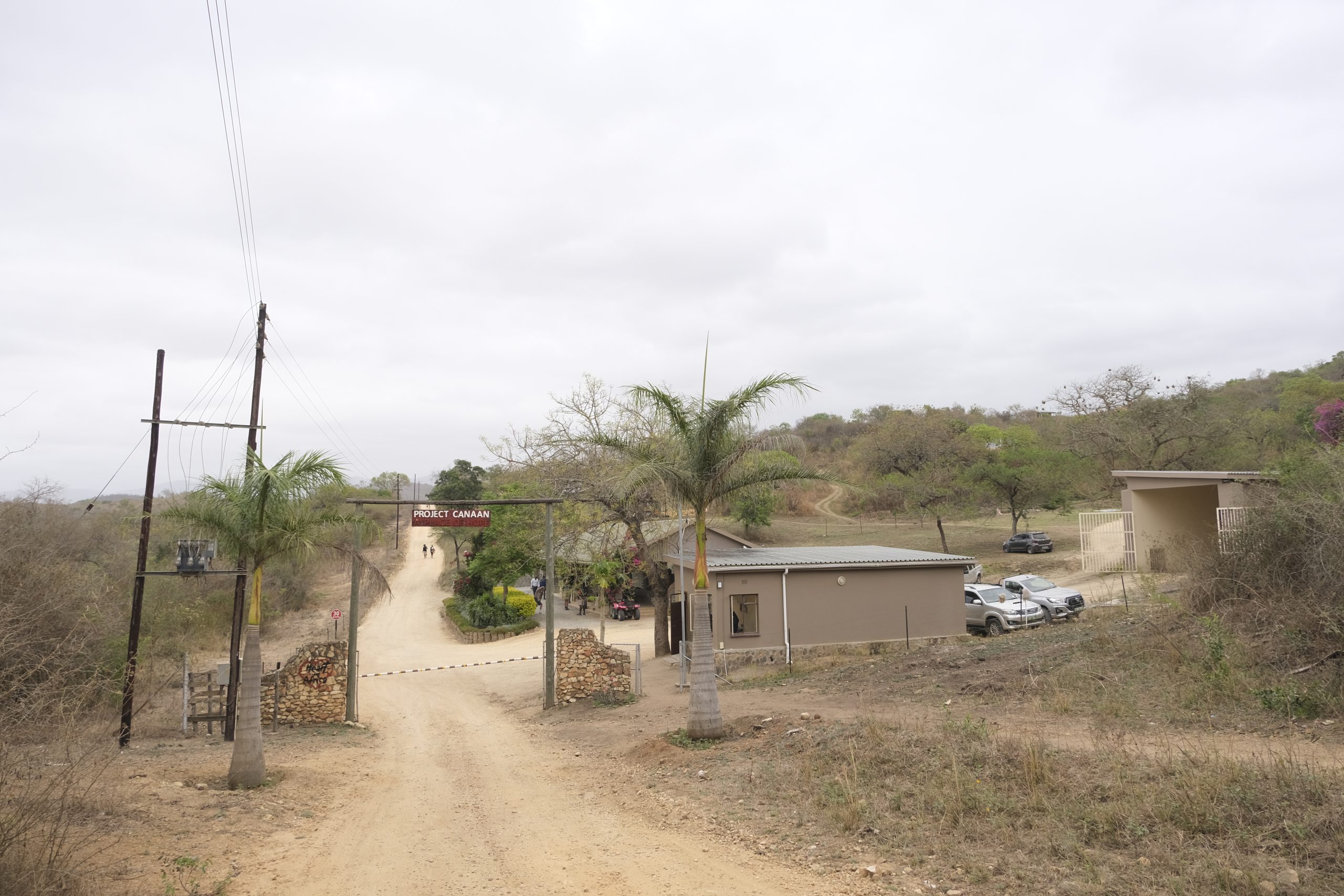
For Heart for Africa (Canada), this complexity is visible every day through the work at Project Canaan, a children’s community in the Kingdom of Eswatini designed to provide stable, long-term care and opportunity for the children living there.
Understanding why sustainability is difficult is an important step toward understanding what responsible nonprofit leadership actually looks like.
Why Sustainability Matters in Long-Term Development
Many charitable organizations begin with a clear mission and an urgent need to respond. But when a nonprofit is responsible for long-term commitments (especially when caring for children) sustainability becomes essential.
At Project Canaan, the commitment extends far beyond immediate assistance. The community provides housing, education, healthcare, and daily support for hundreds of children growing up in a stable environment.
This kind of commitment requires systems that can endure for decades.
That is where nonprofit sustainability becomes more than a buzzword. It means building financial structures, operational systems, and leadership practices that ensure the organization can continue fulfilling its responsibilities year after year.
Without those systems, even well-intentioned programs can become unstable over time.
The Hidden Complexity Behind “Self-Suffciency”
In conversations about development work, sustainability is often linked to the idea of self-sufficiency – the belief that programs should eventually generate their own income.
While this goal is widely shared, the path toward it is rarely simple.
Projects designed to support sustainable development charities often require significant investment in infrastructure, training, staffing, and long-term planning before they begin producing meaningful financial returns.
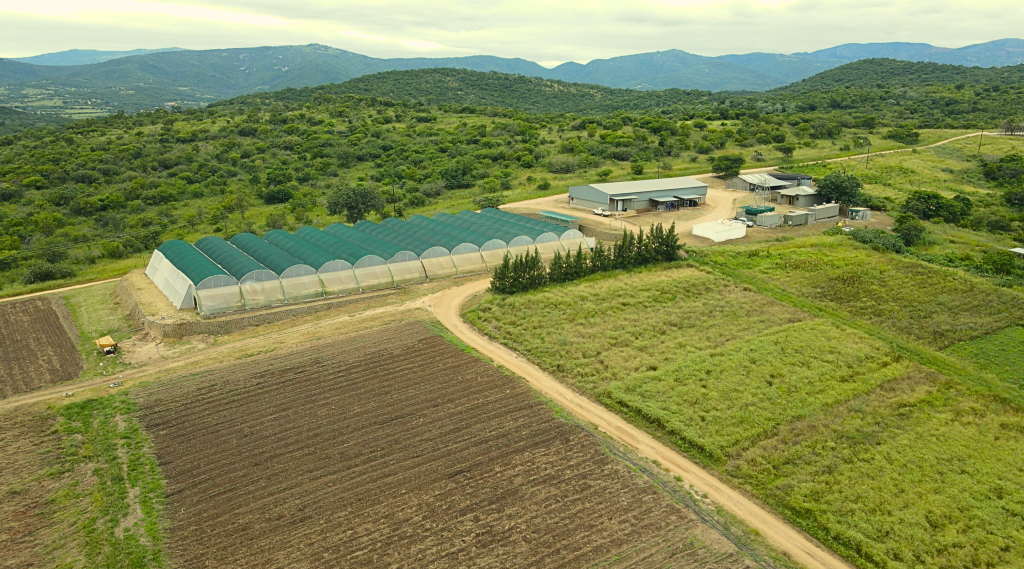
Agriculture provides a good example.
Food production projects can strengthen community resilience and reduce costs, but they are also affected by weather patterns, supply chains, equipment reliability, and local market conditions.
Even well-designed projects may take years to stabilize.
For organizations operating in complex environments, sustainability is not achieved through a single initiative. It develops gradually through systems that evolve over time.
What Real Sustainability Looks Like at Project Canaan
Over the years, Heart for Africa (Canada) has developed multiple systems designed to support the long-term stability of Project Canaan.
The property includes:
- children’s homes
- educational facilities such as Project Canaan Academy
- agricultural operations
- healthcare services
- vocational training programs
Together, these systems form a community designed to provide stable care for the children living there while creating opportunities for long-term sustainability.
But like any large operation, these systems require constant evaluation.
Programs that appear promising in theory sometimes perform differently once they operate in real-world conditions. Responsible organizations must be willing to learn from those experiences and adapt accordingly.
This kind of ongoing adjustment is a normal part of building sustainable nonprofits.
When Sustainability Requires Difficult Decisions
One of the most misunderstood aspects of nonprofit sustainability is that progress does not always mean expansion.
Sometimes sustainability requires growth. At other times, it requires restraint.
Heart for Africa (Canada) is currently in a season of operational reassessment as Project Canaan continues to mature as a large children’s community. Leadership is reviewing programs and refining operations to strengthen long-term financial stability and maintain focus on the children in their care.
These decisions are rarely easy.
However, responsible leadership requires evaluating whether programs are achieving their intended outcomes and whether resources are being used effectively.
For sustainable nonprofits, the goal is not simply to maintain every initiative indefinitely. The goal is to ensure that the organization remains stable and capable of fulfilling its core mission.
The Role of Supporters in Sustainable Nonprofits
Even the most carefully designed nonprofit systems rarely operate without external support.
Many sustainable organizations rely on a combination of:
- donor support
- operational discipline
- long-term financial planning
- mission-aligned revenue initiatives
At Project Canaan, child sponsorship plays an essential role in supporting the children living in the community. Sponsorship helps provide housing, meals, education, healthcare, caregivers, and the broader infrastructure that allows the community to function effectively.
Rather than replacing donor support, sustainability often means using resources wisely while building systems that strengthen stability over time.
Why This Matters
Understanding the realities behind sustainable nonprofits helps supporters see development work more clearly.
Building lasting change requires patience. It involves learning, experimentation, and sometimes difficult decisions. It requires leaders who are willing to adapt strategies and supporters who understand that meaningful progress rarely follows a perfectly predictable path.
For Heart for Africa (Canada), sustainability ultimately means honoring a long-term commitment: ensuring that the children living at Project Canaan grow up in a stable, supportive community.
That kind of stability takes time to build, but it is worth the effort.
Stay Connected With Heart for Africa (Canada)
If you would like to learn more about the work happening at Project Canaan and the lessons Heart for Africa (Canada) is learning about sustainability, development, and long-term care for the children in our community, we invite you to stay connected.
Our newsletter shares thoughtful updates, behind-the-scenes insight into the work at Project Canaan, and stories about the systems that support the children in our care.
Subscribe to receive updates from Heart for Africa (Canada) below: